What to Know Before Installing Pet-Friendly Artificial Turf
If you share your home with a dog, your yard takes a beating. Digging, running, and the daily bathroom routine can turn a natural lawn into a patchy, muddy mess within a season. Many homeowners look for a surface that stays green and functional without constant maintenance. Pet-friendly synthetic turf has become a popular alternative, but not every product on the market is built for the realities of life with a dog.
The right choice depends on understanding how synthetic grass handles pet waste, resists wear, and stays clean over time. This article covers the key factors that matter when choosing a lawn that works for both you and your dog.
Why Standard Turf Often Falls Short for Pet Owners
Ordinary artificial grass is designed for low-traffic landscaping or decorative use. It may look good at first, but it often lacks the drainage capacity and antimicrobial features that a pet area requires. When a dog urinates on a lawn that was not designed for animals, the liquid can pool on the surface or soak slowly through a dense backing. That leads to lingering smells, bacteria growth, and a surface that feels wet for hours.
Durability is another concern. A dog that loves to dig or sprint can quickly loosen standard turf fibers or damage the backing. Thin blades and weak seams do not hold up to repeated scratching or running. For a yard that gets daily use, you need a product that is specifically engineered for heavy activity.
What Makes a Turf Pet-Friendly
Manufacturers have developed specialized pet turf lines that address the most common problems. These products share several features worth looking for.
Drainage That Works
The most important technical difference is drainage. Pet turf typically has a perforated backing that allows liquids to pass through quickly. Some products include a secondary drainage layer underneath the blades. The goal is to move urine away from the surface within seconds, not minutes. Without efficient drainage, the turf becomes a breeding ground for bacteria and odors.
Installation also plays a role here. A proper base layer of crushed stone or decomposed granite creates space for liquid to flow downward into the soil. Combined with a high-flow backing, this system keeps the surface dry and reduces the chance of standing puddles.
Odor Control Built In
Even with good drainage, urine residue can cling to the blades and backing. Many pet-friendly turf products incorporate antimicrobial infill or yarn treatments that break down odor-causing bacteria. Some infills are made from zeolite, a natural mineral that traps ammonia molecules and neutralizes smells. Others use a coating on the fibers themselves.
These treatments do not eliminate the need for routine cleaning. Hosing down the area and applying a pet-safe enzyme cleaner every week or two still matters. But built-in odor control buys you time between cleanings and keeps the yard more pleasant during hot weather.
Non-Toxic Materials
Dogs lick, chew, and roll on the ground. The materials used in the turf and infill must be non-toxic. Reputable pet turf products use polyethylene or polypropylene fibers that are free of heavy metals and phthalates. The infill, often made from silica sand or coated sand, should also be safe if ingested in small amounts.
Check the manufacturer's material safety data sheet or look for products labeled as lead-free and phthalate-free. If a product does not advertise its safety certifications, it is worth asking why.
Installation Considerations for a Dog Yard
Getting the turf laid correctly is just as important as choosing the right product. A poor installation can ruin even the best turf within a year.
The base layer needs to be compacted firmly so that digging dogs cannot gouge holes under the turf. A 3- to 4-inch layer of crushed stone, tamped down flat, provides a stable surface that resists paw excavation. Some installers add a weed barrier fabric on top of the base before laying the turf.
Seams are a weak point. If two pieces of turf are joined with low-quality tape or adhesive, a dog that likes to scratch or roll can separate them. Seams should be sealed with a strong bonding agent and may need extra stitching for high-traffic areas.
The perimeter is another area to watch. Turf edges left exposed can curl up or collect debris. Anchoring the edges with galvanized nails or a border restraint keeps the turf tight against the ground. For dogs that love to dig along fences, some homeowners install a buried barrier or a layer of wire mesh beneath the turf to prevent escape attempts.
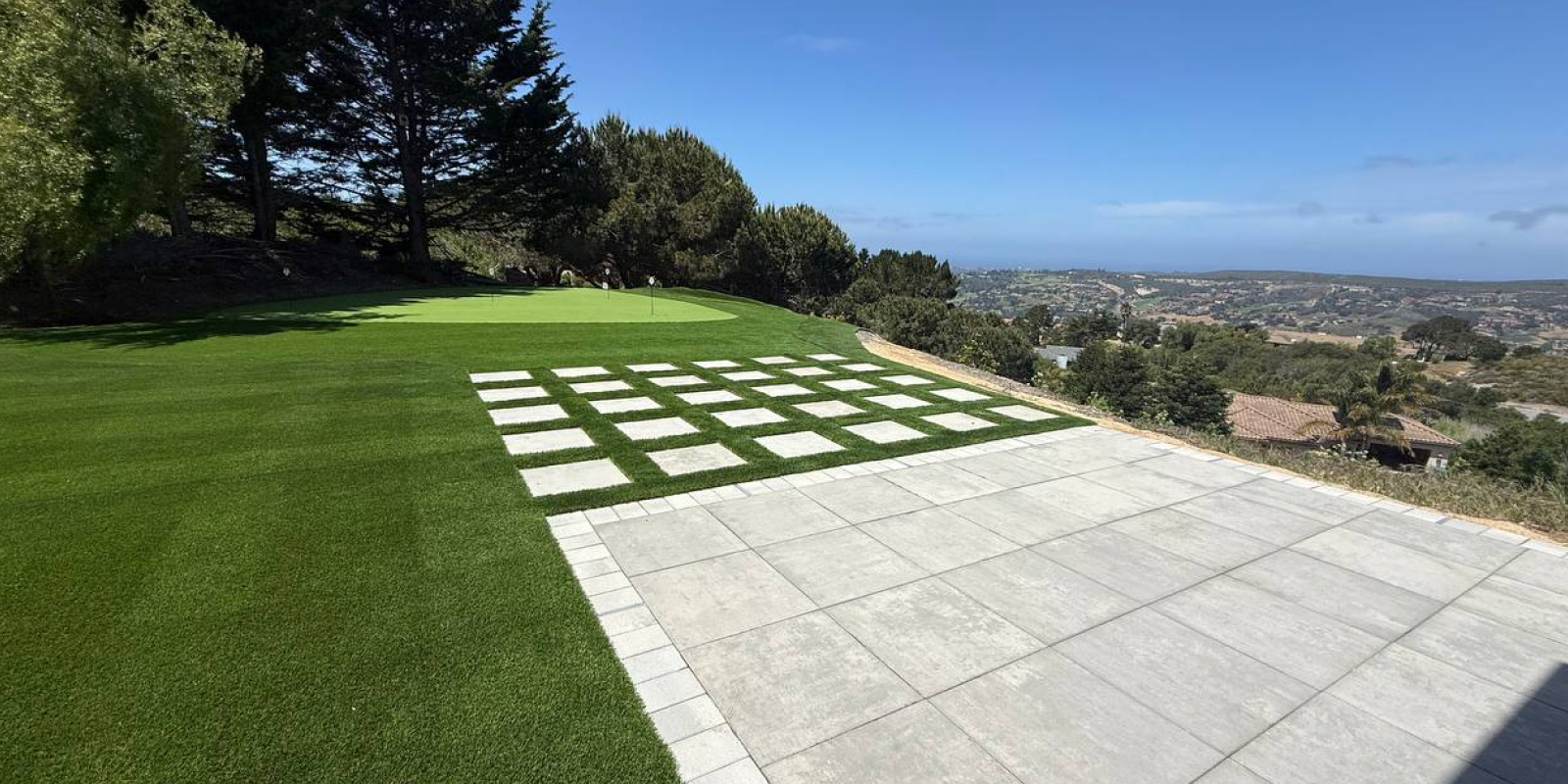
One thing many people overlook is the transition between the turf and other surfaces like concrete paths or garden beds. A clean edge with a metal or plastic border makes the yard look finished and prevents the turf from fraying over time.
Daily Maintenance and Cleaning
Pet turf is low maintenance compared to natural grass, but it is not zero maintenance. Solid waste should be picked up promptly, just as you would on a real lawn. After removing solids, rinse the area with a garden hose to flush urine through the backing. A weekly or biweekly spray with an enzyme cleaner keeps odors under control and breaks down organic residue.
Some owners use a diluted vinegar solution for deodorizing, but vinegar can be harsh on the turf backing over time. Stick to products labeled safe for synthetic grass. If you notice a smell that does not go away with cleaning, the infill may be saturated. Replacing the infill every few years can restore odor control performance.
Grooming the turf with a stiff broom or a leaf blower helps keep the blades standing upright. Leaves, dirt, and debris can get trapped in the fibers and hold moisture. A quick sweep once a week keeps the surface clean and prevents matting.
Durability and Wear Patterns
Not all artificial grass for dogs is created equal when it comes to wear resistance. The face weight, measured in ounces per square yard, indicates how much material is in the turf. Higher face weights generally mean denser, more durable grass. For heavy dogs or multiple dogs, look for a face weight above 60 ounces.
Blade shape also matters. Turf with a thatch layer, which consists of shorter, darker fibers mixed with the main blades, hides wear patterns and helps the lawn recover its appearance after use. The thatch acts as a cushion that protects the longer blades from crushing.
UV resistance is another factor you cannot ignore. Turf that fades under the sun looks tired after a single summer. Quality pet turf uses UV-stabilized fibers that resist discoloration for years. Ask the manufacturer for a UV warranty, which typically covers 8 to 15 years depending on the product.
Comparing Turf to Other Dog Yard Surfaces
Before deciding on synthetic grass, it helps to weigh it against other options. Concrete or patio pavers are easy to clean but hard on a dog's joints and can get dangerously hot in summer. Natural grass is soft but requires watering, mowing, and frequent reseeding in high-traffic areas. Mulch or wood chips break down quickly and can attract pests or splinter.
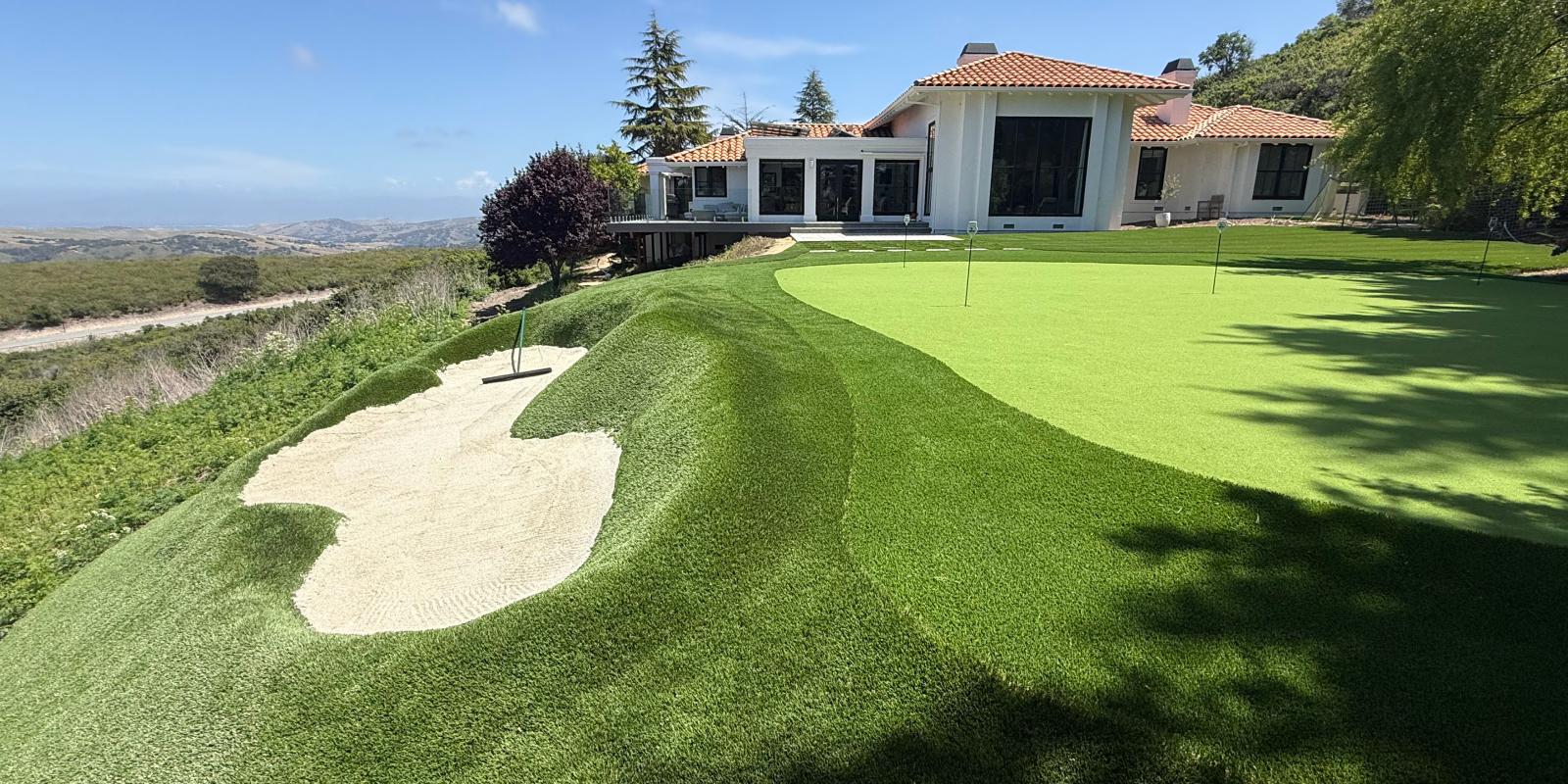
Artificial turf offers a middle ground. It stays cool enough for most climates when you choose a lighter green shade or a product with heat-reducing infill. It drains well, does not turn to mud, and stays green without water or fertilizer. The trade-off is the upfront cost and the need to replace it after 10 to 15 years of heavy pet use.
For many dog owners, the convenience and cleanliness of turf outweigh the drawbacks. The key is to buy a product built for pets, install it properly, and commit to the small amount of ongoing care it needs.
Making the Right Choice
When you start shopping for pet turf, look past the sales pitch and focus on the engineering. Ask about the drainage rate, the type of infill, and the warranty terms. A reputable supplier will have clear answers and documentation. If a product claims to be pet-friendly but does not specify how it handles urine or wear, treat that as a red flag.
Artificial grass for dogs is an investment in your yard and your dog's daily comfort. With the right product and a solid installation, you can have a lawn that looks great and handles everything your pet throws at it. That means more time enjoying the yard and less time worrying about the state of the grass.
Corrections
Spot something wrong? Send it to the desk and it gets fixed in the open.